
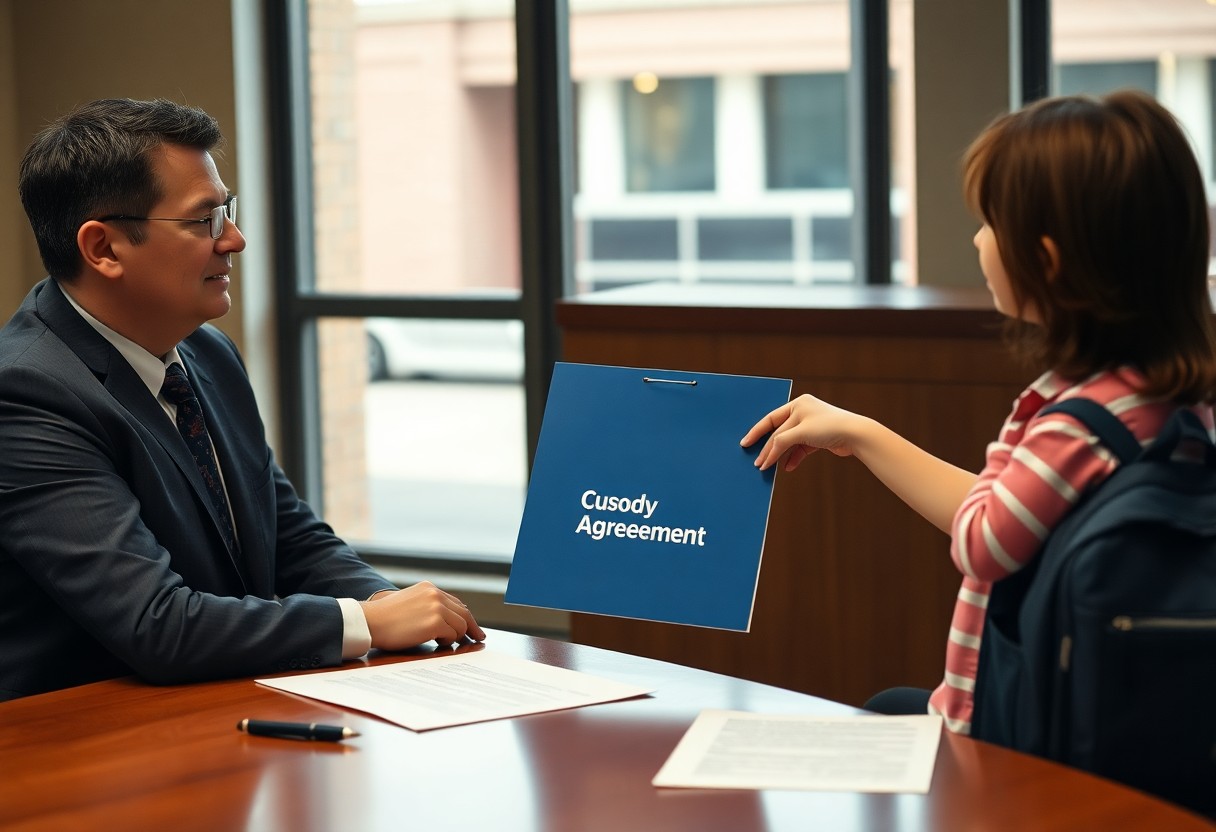
Many parents face custody decisions and you need clear strategies and documentation to protect your child’s best interests; this guide explains custody types, evidence collection, court expectations, and negotiating tips so you can pursue a stable, enforceable arrangement with confidence.
Understanding Custody Classifications
Courts classify custody into legal and physical categories that determine decision-making and where your child lives; you need to identify which applies so you can plan for parenting time and responsibilities.
Distinguishing Between Legal and Physical Custody
Legal custody covers decision-making about education, health, and religion, while physical custody governs where your child lives, and you should track both when crafting your agreement.
Evaluating Sole vs. Joint Custody Frameworks
Sole custody grants one parent primary rights and responsibilities, while joint custody splits decision-making or time; you must weigh stability, communication, and your child’s needs when considering which framework suits your family.
Consider how parenting time, decision-making authority, and each parent’s schedule affect daily routines; you should assess distance, work hours, and your child’s schooling to recommend a practical custody plan. Gather documentation of stability, support networks, and proposals for dispute resolution to strengthen your position in negotiations or court.

The “Best Interests of the Child” Standard
Courts apply the “best interests” test to weigh how custody will affect your child’s safety, stability, schooling, and relationships, focusing on arrangements that support their wellbeing.
Statutory Factors Courts Consider
Statutes list factors courts examine when deciding custody, so you should provide clear evidence on each relevant point. Any documentation you submit should highlight your parenting time, the child’s stability, safety concerns, and health or educational needs.
- Your relationship with the child and history of daily caregiving
- Your ability to provide a safe, stable home and meet medical needs
- Evidence of the child’s schooling, friendships, and extracurricular involvement
- Records of any substance abuse, violence, or mental health issues
Demonstrating Emotional and Developmental Support
Show how you nurture your child’s emotional needs through consistent routines, responsive communication, and active involvement in school and activities.
Document examples of your involvement-attendance at parent-teacher meetings, therapy or counseling participation, consistent medical care, and notes from teachers or coaches-and explain how your parenting plan preserves predictable schedules, healthy coping strategies, and clear transition steps to minimize stress for the child.
Developing a Comprehensive Parenting Plan
You should draft a parenting plan that allocates custody time, decision-making authority, schooling and healthcare responsibilities, and contingency steps for holidays, travel, or relocation, aiming for clarity and enforceability to protect your child’s routines.
Designing Sustainable Visitation and Holiday Schedules
Plan your visitation and holiday schedules around school calendars, your child’s needs, and predictable exchange points, including rotation of special days and clear contingency dates to reduce conflict and ensure continuity.
Establishing Clear Communication Protocols
Set communication protocols specifying preferred channels, expected response times, decision-making alerts, and documentation of important exchanges so you minimize disputes and keep records for court if needed.
Outline specific tools you will use (text, email, co-parenting apps, or shared calendars), times when each is appropriate, and standards for tone and content. Include emergency contact rules, how you will consult on medical or educational issues, a procedure for scheduling changes, and steps for documenting disagreements; you should also agree on backup contacts and periodic check-ins to review the plan.
Essential Documentation and Evidence Gathering
Gather court-ready copies of medical, school, and communication records, along with incident reports and custody-related correspondence, so you can clearly document caregiving, routines, and the child’s needs for judges and mediators.
Maintaining Detailed Logs of Parental Involvement
Track daily parenting activities, schedules, missed appointments, and communication attempts in a dated log so you can demonstrate consistency, involvement, and responsive decision-making during evaluations and hearings.
Utilizing Professional Evaluations and Character Witnesses
Include psychological evaluations, parenting assessments, and written statements from teachers or family friends so you present objective third-party observations that support the custody arrangement you seek.
Arrange evaluations from licensed professionals who specialize in family matters and provide clear questions or concerns for assessment. Have your character witnesses submit dated, signed statements describing your parenting, reliability, and the child’s bond with you. Gather these reports, affidavits, and contact details early so you can organize and submit persuasive, timely evidence to the court.
Navigating Mediation and Dispute Resolution
Mediation offers a private space where you and the other parent can reach workable child-focused agreements, often faster and less adversarial than court.
Benefits of Reaching an Out-of-Court Agreement
Choosing to settle out of court often saves you time, reduces stress, and preserves parenting relationships while giving you more control over schedules and decision-making.
Preparing for Formal Custody Litigation
If litigation becomes necessary, you should organize documentation, witness contacts, and a clear account of parenting involvement to present your case effectively.
Gather detailed records-school reports, medical notes, calendars, and communication logs-and outline your parenting goals and proposed schedules. Meet with your attorney to review evidence, discuss witness strategy, and rehearse testimony so you present a calm, credible case focused on your child’s best interests.
Summing up
Now you can build a custody plan that prioritizes your child’s stability through clear evidence, consistent routines, and focused legal representation, while understanding court criteria and presenting organized documentation to strengthen your case.