

It’s crucial for you to understand the key factors that can enhance your custody case in court. Whether you are navigating a divorce or separation, demonstrating your commitment to your child’s well-being is vital. This post will guide you through practical steps you can take to present a strong case, including gathering evidence, maintaining a consistent parenting schedule, and working collaboratively with your co-parent whenever possible. By being proactive and informed, you can significantly increase your chances of achieving a favorable outcome in custody proceedings.

Understanding Custody Laws
A good grasp of custody laws is vital for fathers pursuing custody arrangements. These laws differ by state, but they generally focus on the child’s best interests, evaluating factors such as parenting capabilities, living situations, and the child’s emotional needs. Understanding the nuances of these laws can help you present a compelling case in court.
Types of Custody
- Physical Custody: Where the child lives.
- Legal Custody: Authority to make decisions for the child.
- Joint Custody: Shared responsibilities between parents.
- Sole Custody: One parent has primary control.
- Visitation Rights: Scheduling time with the child.
Perceiving the differences among these types will assist you in determining the most suitable custody arrangement for your situation.
| Type of Custody | Description |
| Physical Custody | Where the child resides primarily |
| Legal Custody | Decision-making authority regarding the child |
| Joint Custody | Shared parental responsibilities and rights |
| Sole Custody | One parent has full custody |
Legal Terminology
Across your journey in navigating custody laws, you’ll encounter various legal terms that can seem overwhelming. Familiarizing yourself with this terminology can enhance your understanding and strengthen your case.
The legal landscape surrounding custody can be complex, with terms such as ‘best interest of the child,’ ‘parenting plan,’ and ‘modification of custody’ frequently appearing in court discussions. Understanding these concepts will empower you to engage more effectively in your case and communicate with legal professionals, presenting your position with confidence.
Preparing Your Case
Now that you understand the importance of your role as a father in a custody case, it’s time to prepare your case thoroughly. This preparation involves gathering necessary documentation, evidence, and resources to bolster your position in court. By being proactive and organized, you can present a convincing narrative that highlights your commitment to your child’s well-being and your capacity as a responsible parent.
Documenting Your Involvement
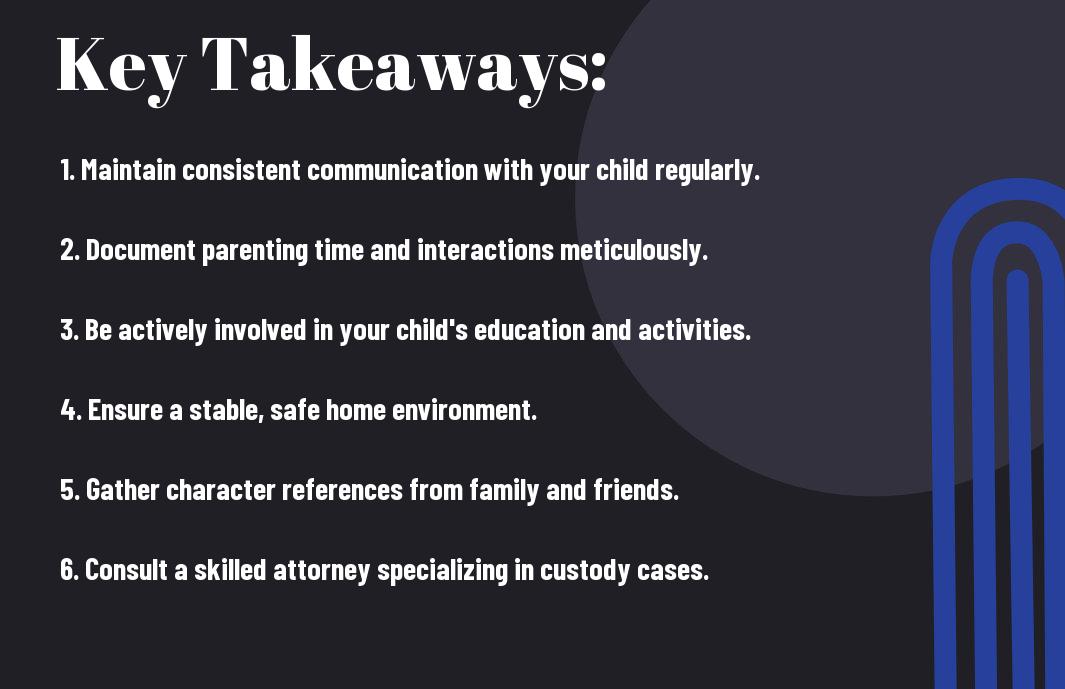
Around your daily activities, keep a log of your involvement in your child’s life. This includes noting significant events like school meetings, extracurricular activities, medical appointments, and daily routines. Your consistent participation and emotional support are vital components that demonstrate your dedication to parenting, and having a detailed record can significantly strengthen your case.
Gathering Evidence
Evidence plays a key role in substantiating your claims during a custody hearing. You should collect documentation such as school records, communication logs, and witness statements from family members, friends, and teachers who can affirm your relationship with your child.
It is vital to compile a robust set of evidence that demonstrates your active participation in your child’s life, showcasing any positive impacts you have on their development. This may include documenting your involvement in educational support, healthcare decisions, and emotional guidance. Including photographs, videos, or other materials that illustrate your interactions and shared experiences can further strengthen your case and provide clear insights into the loving relationship you share with your child.

Building a Support Network
After establishing your commitment to fatherhood, it’s crucial to build a support network that can bolster your custody case. This network not only offers emotional support but also helps demonstrate to the court that you provide a stable environment for your child. Engaging with family and friends can solidify your position as a devoted parent.
Engaging Family and Friends
Before heading to court, reach out to your family and friends to share your situation. Their support can serve as a powerful testament to your parenting abilities. They can also provide character references, offer valuable insights, and help you maintain emotional balance during this challenging time.
Seeking Professional Guidance
By consulting with legal and mental health professionals, you enhance your understanding of custody laws and emotional well-being, which strengthens your case. Professionals provide invaluable insights that can inform your strategy moving forward.
Network with attorneys who specialize in family law to discuss your case and understand what evidence is needed to support your position. A mental health professional can also offer parenting advice and emotional support, helping to create a more stable home environment. Your guidance team can help you anticipate potential challenges and equip you with tools and strategies to present a strong case in court.

Demonstrating Stability
Keep in mind that demonstrating stability is crucial for your custody case. Courts look for environments where children can thrive emotionally and physically. Showcasing your consistency in various aspects of life, such as finances, living arrangements, and emotional support systems, can significantly bolster your position in court.
Financial Considerations
Around the courtroom, financial stability is often viewed as indicative of your ability to provide a secure environment for your child. Presenting a steady income, a clear budget, and evidence of responsible financial planning can enhance your credibility as a dependable parent.
Living Arrangements
Around your living arrangements, courts will assess whether your home is a suitable place for your child. A stable and safe environment, equipped with their own space and crucial amenities, can positively impact your custody case.
Demonstrating your living arrangements involves providing evidence of a nurturing environment for your child. Ensure that your space is clean, organized, and conducive to their needs. Highlight features such as bedrooms, play areas, and access to community resources like schools and parks. Additionally, showing that your living situation is permanent can reassure the court of your commitment to maintaining stability in your child’s life.
Effective Communication with Co-Parents
For fathers seeking to strengthen their custody case, effective communication with co-parents is key to fostering a positive co-parenting relationship. Open dialogue helps establish trust and ensures that both parents are on the same page regarding their children’s needs and well-being. By maintaining respect and professionalism, you can improve interactions with your co-parent, which not only benefits your case but also creates a healthier environment for your children.
Establishing Co-parenting Protocols
Across the co-parenting experience, establishing clear protocols is vital for managing schedules, financial responsibilities, and decision-making processes. By creating a structured agreement that outlines each parent’s responsibilities, you can minimize misunderstandings and potential conflicts. This clarity allows you to focus on your children’s needs while demonstrating to the court your commitment to effective parenting.
Conflict Resolution Strategies
Conflict in co-parenting can arise, but addressing it constructively can strengthen your custody case. Effective strategies include active listening, staying calm during discussions, and using mediation services if necessary. When disagreements occur, approach them with an open mind and a willingness to find common ground. By prioritizing the well-being of your children and maintaining a cooperative attitude, you showcase your dedication to effective parenting.
With the right conflict resolution strategies in place, you can navigate disputes with your co-parent effectively. Focus on finding solutions rather than assigning blame, which can diffuse tensions and lead to more productive conversations. Utilize techniques such as time-outs during heated discussions, or even written communication for complex topics, allowing both parents to express their thoughts without escalation. This proactive approach can demonstrate to the court your capability to handle challenges amicably, reinforcing your position in custody matters.
Navigating Court Procedures
Despite the complexities of the legal system, understanding court procedures is important for fathers seeking custody. Familiarizing yourself with the steps involved, from document filing to the final hearing, can empower you during the process. Prepare in advance to ensure you’re ready when the time comes, making it easier to present your case effectively.
Filing the Necessary Documents
Around the start of your custody case, you’ll need to file various documents, including a petition for custody and supporting evidence. Ensure you provide accurate information and meet deadlines, as this can impact the court’s perception of your commitment to your child’s welfare.
Presenting Yourself in Court
Against the backdrop of a formal courtroom, your presentation plays a significant role in how the judge perceives your case. Your demeanor, attire, and level of preparedness can convey seriousness and respect for the process.
Procedures in court can be strict, so it’s important to maintain a calm and professional appearance. Dress in a manner that reflects your seriousness about the case, avoiding casual attire. When speaking, be clear and concise, addressing the judge courteously. Practice your key points beforehand to convey confidence and clarity, fostering a positive impression that reinforces your commitment to your child’s best interests.
Conclusion
To wrap up, you can strengthen your custody case in court by demonstrating your commitment to your child’s well-being, maintaining a stable environment, and fostering positive co-parenting relationships. Gathering evidence of your involvement in your child’s life, such as records of school activities or health appointments, can also support your position. Engaging a knowledgeable attorney will further ensure that your case is presented effectively. By focusing on these key areas, you enhance your chances of securing a favorable custody arrangement.