

Infants often become the center of custody battles as courts strive to determine what arrangement serves their best interests. If you find yourself navigating this complex legal landscape, understanding the criteria used by courts can provide clarity. Factors such as parental bonding, living arrangements, and the overall emotional and developmental needs of your child come into play. In this blog post, we will explore the key elements that courts consider when making custody decisions for newborns and infants, empowering you with knowledge to better understand your situation.

Legal Framework for Custody Determination
A comprehensive legal framework guides courts in determining custody for newborns and infants, ensuring decisions prioritize the child’s best interests. Various factors, including parental fitness, emotional bonds, and living situations, play vital roles in these evaluations. Understanding this framework can empower you in navigating custody-related disputes effectively.
Relevant Laws and Regulations
On a state level, laws and regulations governing child custody vary, but they generally emphasize the well-being of the child. Essential statutes may include considerations for family dynamics, past caregiving roles, and any history of abuse or neglect. Familiarizing yourself with these legal standards is vital as they directly influence custody determinations.
Role of State Agencies
Custody decisions often involve state agencies, which assess family situations and provide reports to the court. These agencies may conduct home studies, background checks, and interviews to evaluate the child’s environment. Their insights can significantly impact custody rulings, making it crucial for you to understand how their involvement can shape the outcome of your case.
This role of state agencies further encompasses interventions when necessary, such as providing resources for families in need or recommending mediation. By collaborating with these agencies, you may improve your chances of a favorable custody arrangement. Being proactive in assessments and demonstrating a willingness to cooperate can positively influence your situation in court.

Best Interests of the Child Standard
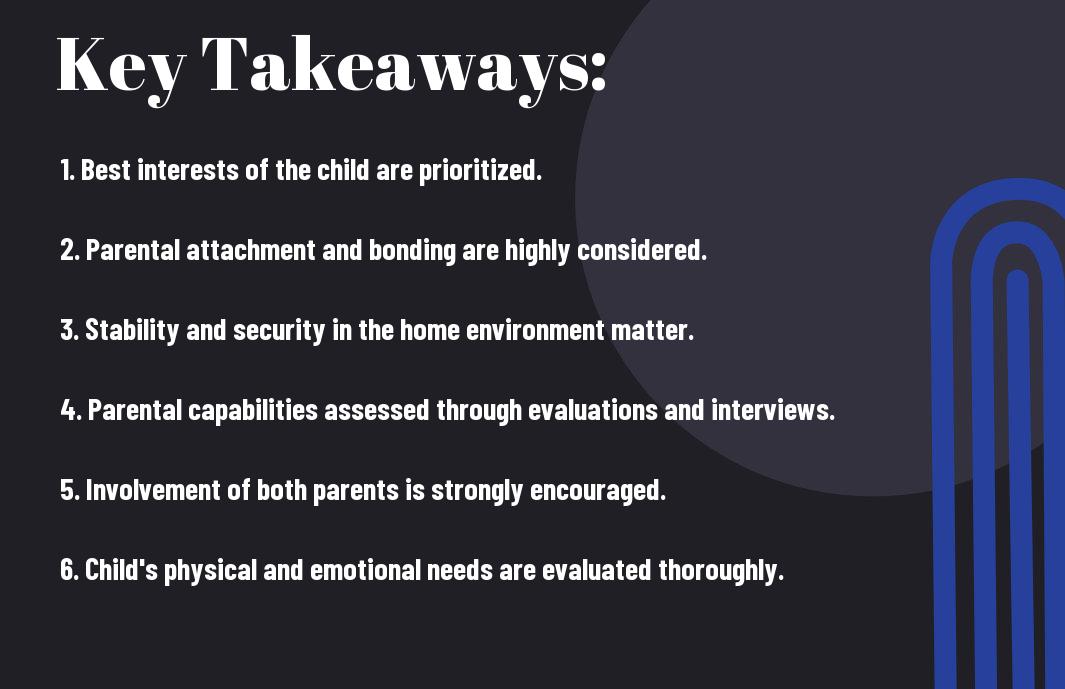
Clearly, the best interests of the child standard is a guiding principle in custody cases involving newborns and infants. This legal standard requires courts to evaluate various factors to ensure that the child’s development and overall well-being are prioritized. Ultimately, the goal is to create a stable environment that promotes a healthy and happy upbringing.
Factors Considered by Courts
Factors considered during custody determinations encompass a wide range of elements that reflect both the child’s needs and the parents’ abilities. You may find the following factors significant:
- Parental stability and capability
- Child’s relationship with each parent
- Physical living conditions
- Parents’ mental and emotional health
- Child’s needs for routine and support
Assume that you understand these factors will significantly influence the court’s decision in custody arrangements.
Impact of Emotional and Physical Needs
Among the critical considerations in custody cases are the emotional and physical needs of the child. These needs shape a child’s security and sense of belonging, which are vital to their development and happiness.
Standard custody evaluations take into account the emotional bonds a child has formed with each parent, as well as their overall physical care. The court will assess whether each parent can adequately provide a nurturing environment that caters to the child’s basic needs, such as nutrition, health care, and emotional support. Recognizing the importance of a child’s attachment, you should expect the court to prioritize environments where strong, positive caregiver relationships can flourish, ultimately supporting their growth.
Parental Rights and Involvement
For courts, assessing parental rights and involvement is fundamental when determining custody for newborns and infants. The decisions are influenced by each parent’s ability to nurture and maintain a stable environment for the child. Your active participation in your child’s life can greatly impact the court’s perception of your suitability as a custodial parent.
Importance of Parental Bonds
One key factor in custody cases is the strength of the emotional bond between you and your child. Courts recognize that children thrive in nurturing environments where they feel secure. Demonstrating a consistent and loving relationship can significantly enhance your chances of gaining custody or visitation rights.
Rights of Unmarried Parents
After a child is born, unmarried parents may face unique challenges regarding custody rights. Establishing legal recognition of your relationship with your child is important for asserting your rights effectively.
A comprehensive understanding of your rights as an unmarried parent is vital. Without legal acknowledgment, you may lack important rights such as decision-making authority or access to custody arrangements. It’s important to take steps to establish paternity, which can reinforce your rights and involvement in your child’s life, ensuring that you are recognized as a key contributor to their well-being.

Evaluating Parenting Abilities
Despite the complexities involved in custody determinations, courts prioritize evaluating the parenting abilities of each caregiver. You will find that factors such as emotional stability, nurturing capacity, and support systems play a significant role in these assessments. Courts aim to ensure that the infant’s best interests are served, which requires a comprehensive understanding of each parent’s capability to provide a loving, safe, and stable environment.
Home Environment Assessments
The court may conduct home environment assessments to evaluate your living situation. This involves a review of your home conditions, including safety, cleanliness, and overall suitability for raising a child. They will assess whether the environment is conducive to healthy growth and development, looking for signs of emotional warmth and structured parenting styles.
Psychological Evaluations
By conducting psychological evaluations, courts aim to gain insight into your mental and emotional health. These assessments help determine your ability to cope with the stresses of parenting while offering a nurturing environment for your child.
A psychological evaluation typically involves interviews, questionnaires, and standardized tests to assess various aspects of your psychological well-being. You may be asked questions about your parenting philosophies, past experiences, and how you handle stress. The results can illuminate your capacity for empathy, emotional regulation, and overall readiness to care for a newborn or infant. Courts take this information seriously, as it contributes to understanding whether you can provide a stable and supportive environment for your child’s development.
Mediation and Alternative Dispute Resolution
After initiating a custody dispute, many courts encourage mediation and alternative dispute resolution (ADR) methods to help you and the other parent reach an amicable agreement about your newborn or infant’s care. This collaborative approach allows you to negotiate terms in a less adversarial setting, potentially resulting in a more satisfactory outcome for both parties and reducing the emotional strain on your child.
Benefits of Mediation
On engaging in mediation, you can enjoy the benefits of a more personalized approach to custody arrangements. This process is often faster and less expensive than traditional litigation, all while allowing you to maintain control over decisions affecting your child. Additionally, mediation often fosters better communication, which can be vital for co-parenting your newborn effectively.
Role of Guardians ad Litem
Guardians ad Litem (GALs) represent the best interests of your child throughout custody proceedings. They investigate the circumstances surrounding your case, interview involved parties, and present their findings to the court. By providing impartial insights, GALs help ensure that the final custody arrangement prioritizes your child’s welfare.
Plus, the involvement of a Guardian ad Litem can significantly enhance the court’s understanding of the situation. This professional acts independently to advocate for your child’s needs, conducting assessments and gathering information that you may not perceive. Their assessment includes home visits, discussions with your child’s caregivers, and consideration of your child’s emotional and developmental needs, ensuring that the custody decision made reflects what truly works best for your little one.
Common Challenges in Custody Cases
Keep in mind that custody cases can present various challenges that may complicate the process. Each situation is unique, and factors such as parental relationships, financial stability, and the emotional well-being of the child can play significant roles in determining custody outcomes. Additionally, legal standards and the court’s preference for the child’s best interests will influence decisions. Understanding these complexities will help you navigate the custody landscape more effectively.
Substance Abuse Issues
With substance abuse becoming increasingly prevalent in many custody disputes, it can significantly impact a court’s determination. Courts often scrutinize a parent’s ability to provide a safe and stable environment when there are concerns about alcohol or drug use. If you or your co-parent struggles with substance use, this may affect your custody arrangement as the court prioritizes the child’s well-being above all else.
Domestic Violence Considerations
Above all, domestic violence is a serious consideration in custody cases and directly affects a parent’s ability to gain or retain custody. Courts take allegations of domestic violence very seriously and will evaluate the safety and emotional impact on the child involved. If you have experienced or witnessed domestic violence, this will become an necessary factor in court, leading to protective measures being implemented, potentially affecting custody arrangements.
The impact of domestic violence on custody decisions cannot be understated. The court will assess not only the safety of the child but also the potential for ongoing harm to the victimized parent. If you present evidence of domestic violence, such as police reports, medical records, or eyewitness accounts, it strengthens your case for seeking sole custody or supervised visitation for the other parent. Courts want to ensure a safe environment for children, so bringing any instances of violence to their attention is vital.
Summing up
The process of determining custody for newborns and infants involves evaluating various factors, primarily focusing on the child’s best interests. You should be aware that courts consider the emotional and developmental needs of your child, parental capabilities, and existing relationships. The involvement of both parents is imperative, as they each have rights and responsibilities. Being informed about what judges prioritize can help you in navigating custody arrangements that align with the welfare of your infant, ensuring that their needs are met and supporting healthy family dynamics.